What is Evolution?
The word evolution is often used in science simply to describe change through time. We can speak of the evolution of the Earth, evolution of a molten magma or evolution of a solar system. Biological evolution refers to how life has changed through time.
What is Biological Evolution?
Simply stated, biological evolution proposes that through the process of natural selection and other natural processes stretching over thousands and millions of generations, living things diversify, branching from one species into many. Natural selection acts on random mutations in a population, such that those best adapted to current conditions have a better chance of surviving to reproduce and thus pass on the favorable trait to succeeding generations. Changes in the genetic composition of a population can also occur without the push of natural selection, especially in isolated populations, in which a more or less neutral mutation can spread through a population by chance. Either way, genetic variation can accumulate in a population to the point that it can no longer produce offspring which breed with its parent population, and a new species is born. evolution.berkeley.edu, ncseweb.org, archaeologyinfo.com, fieldmuseum.org/evolvingplanet
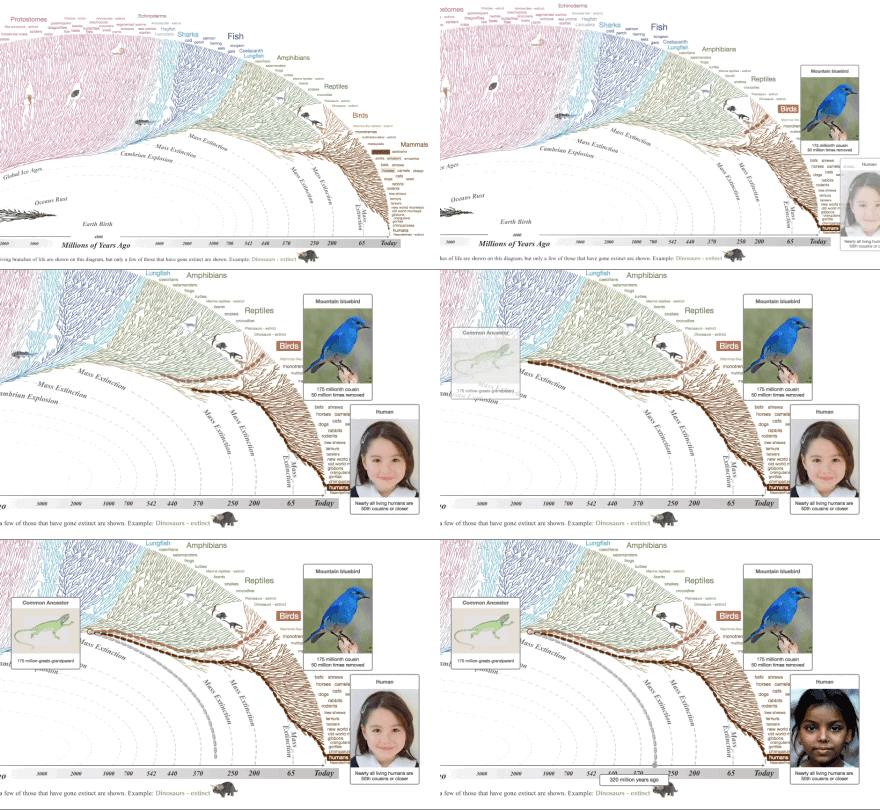
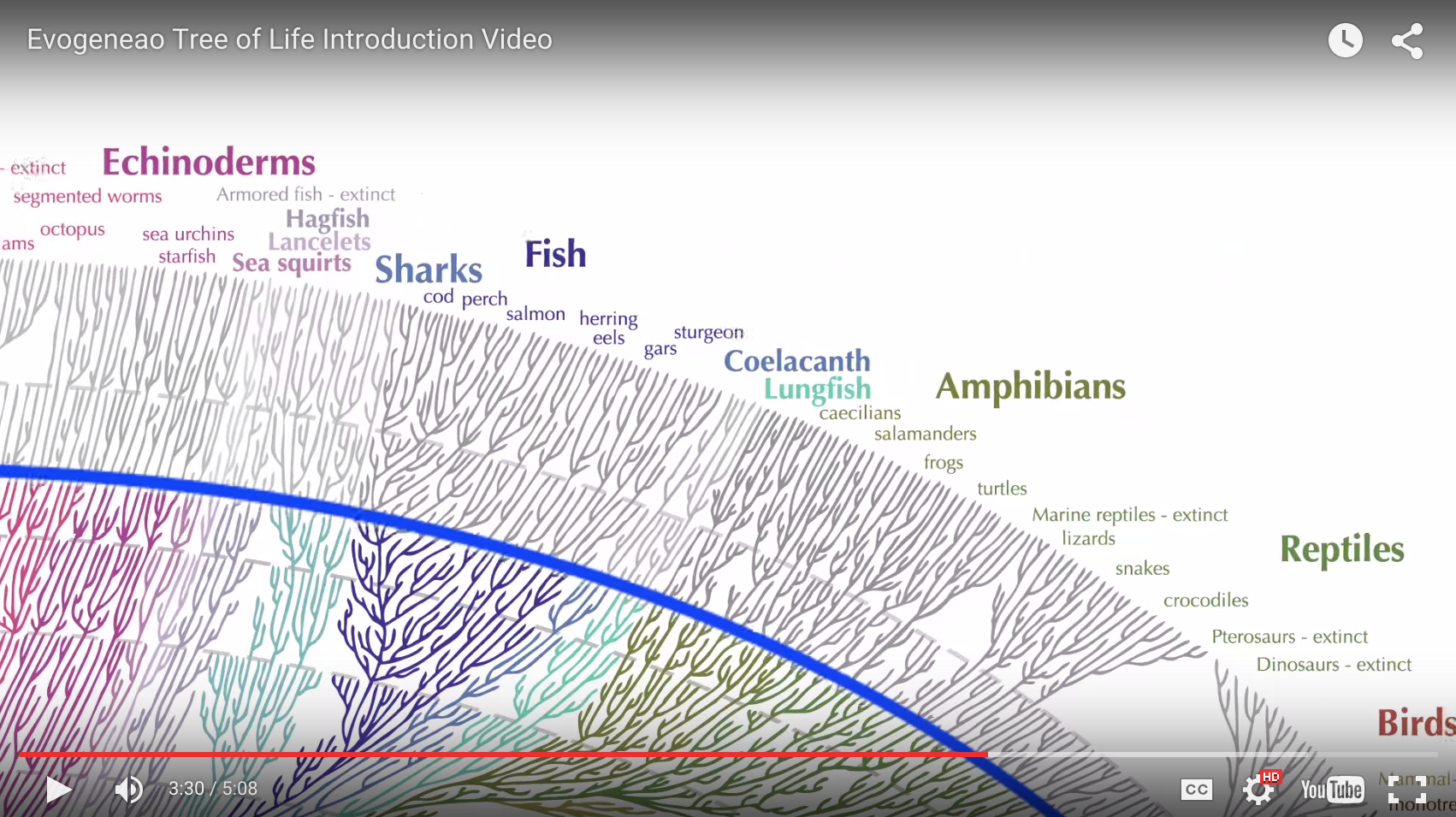
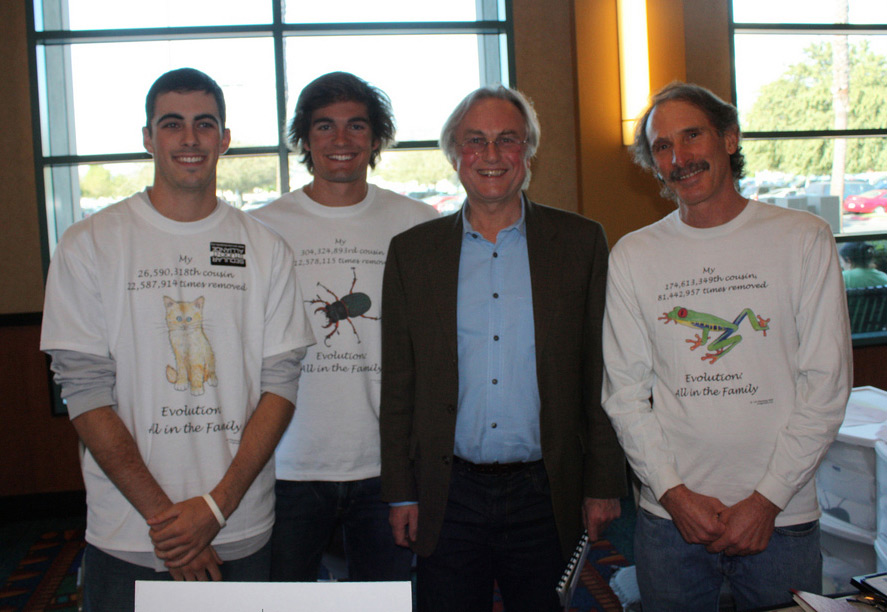
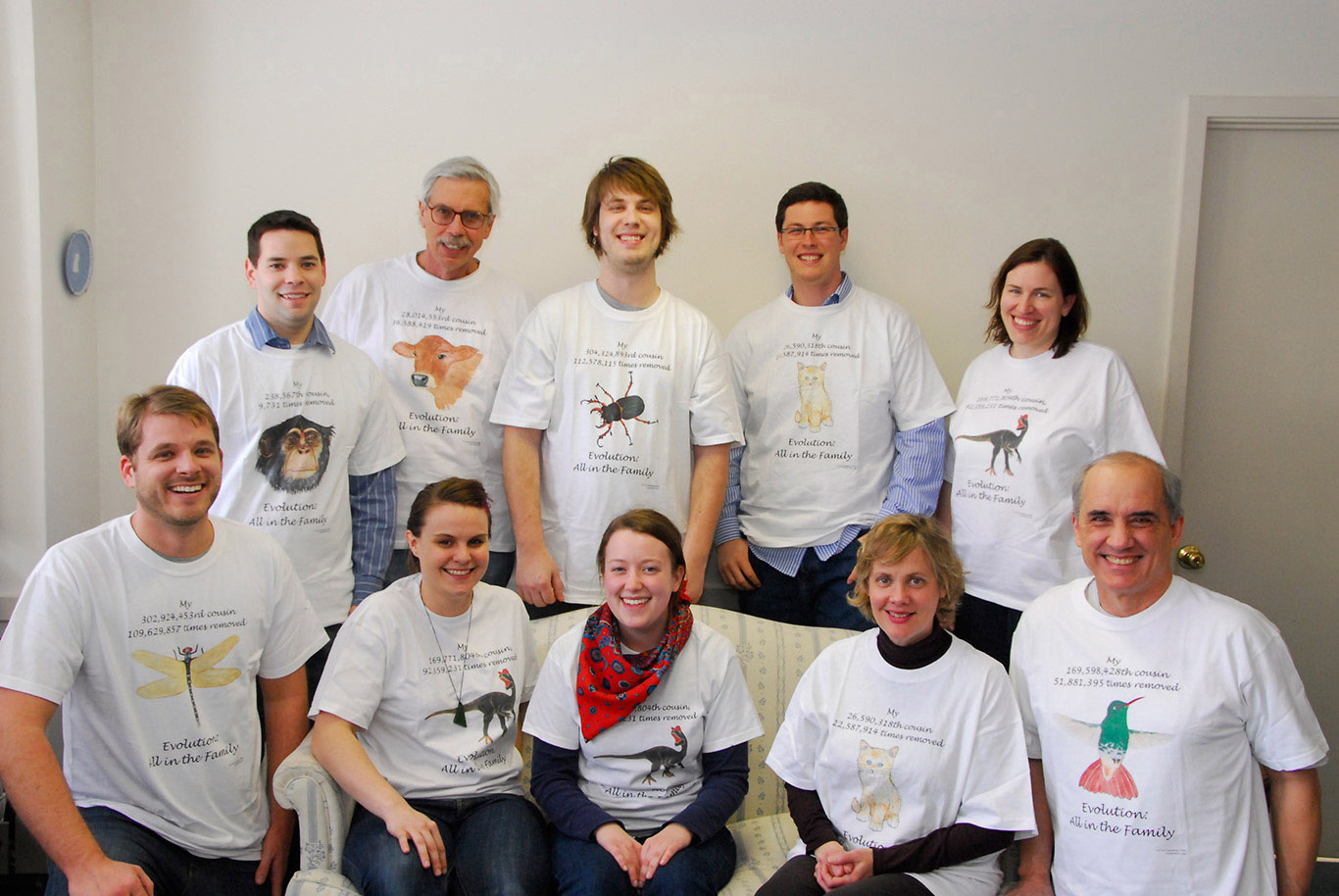
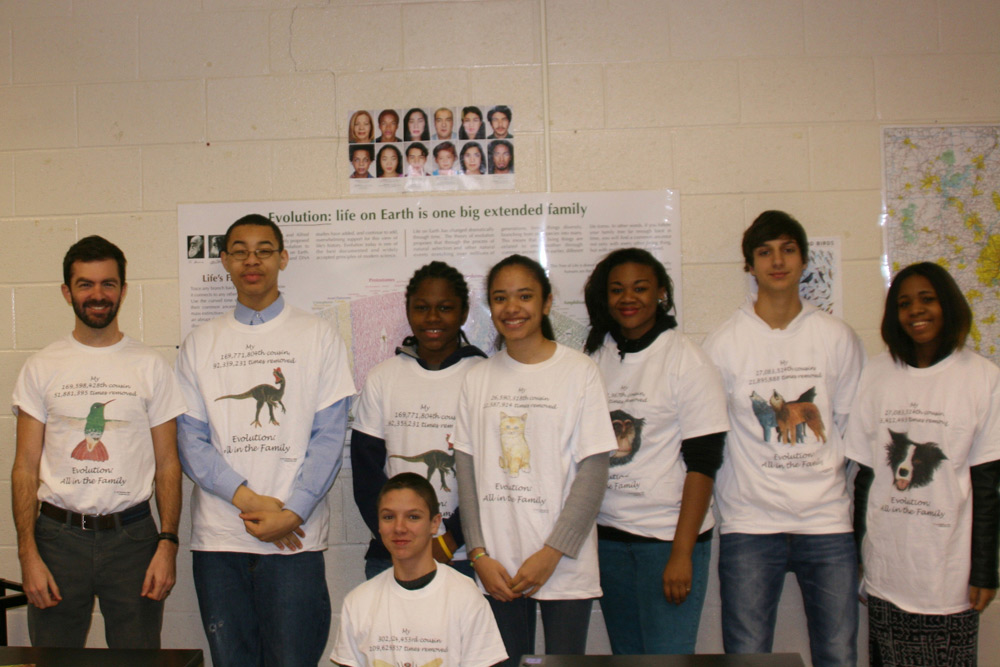
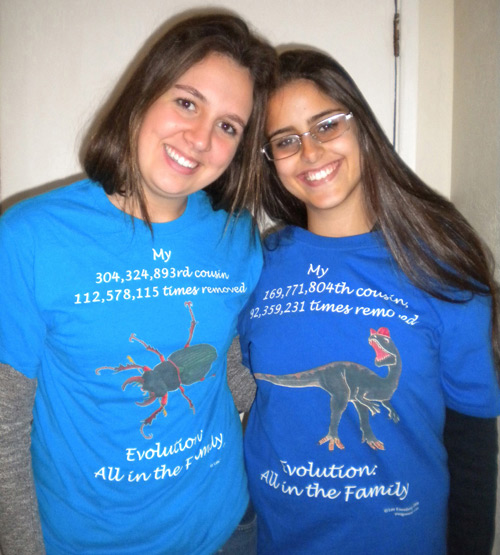
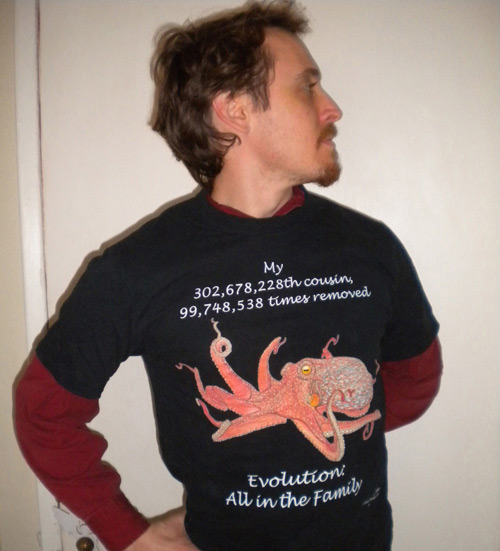
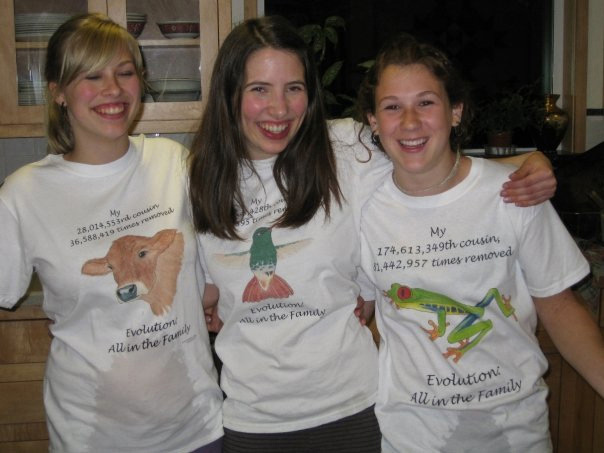
What all this means is that all living things are related to one another through common ancestry with earlier, different life forms. In other words, if you follow your family tree far enough back in time, you will find a common ancestor not only with every other living thing, but also with every thing that ever lived.
Life has changed through time. Life is one big extended family, all related by descent from common ancestors. These statements are as fundamental to scientific understanding of our world as the fact that the earth is a sphere (an oblate spheroid to be precise), is billions of years old, and orbits the sun. Only slightly less sure is the exact mechanism by which life has changed through time. We certainly know that natural selection, mutation, lateral gene transfer, genetic drift and other natural processes act to produce this result, but many details of the processes involved, and the relative contribution of each one, are an active topic of debate within science. Opponents of evolution use these debates to try and portray biological evolution as 'a theory in crisis' or just one of several equally plausible models. Nothing could be further from the truth. To accept the opponent's view would be equal to thinking that because scientists debate details of gravitational theory, or atomic theory, or quantum theory, or chemical bond theory, that these are 'theories in crisis', and are just one of many equally plausible explanations! The evidence is clear: Biological evolution is one of the best documented and strongly supported theories in science.
Biological Evolution Background
In 1858, Charles Darwin and Alfred Russel Wallace independently proposed a theory of biological evolution to explain the diversity of life on Earth. Since then the fossil record and DNA studies have added, and continue to add overwhelming support for this view of life's history. Evolution today is one of the best-documented and widely accepted principles of modern science. evolution.berkeley.edu, ncseweb.org, talkorigins.org.
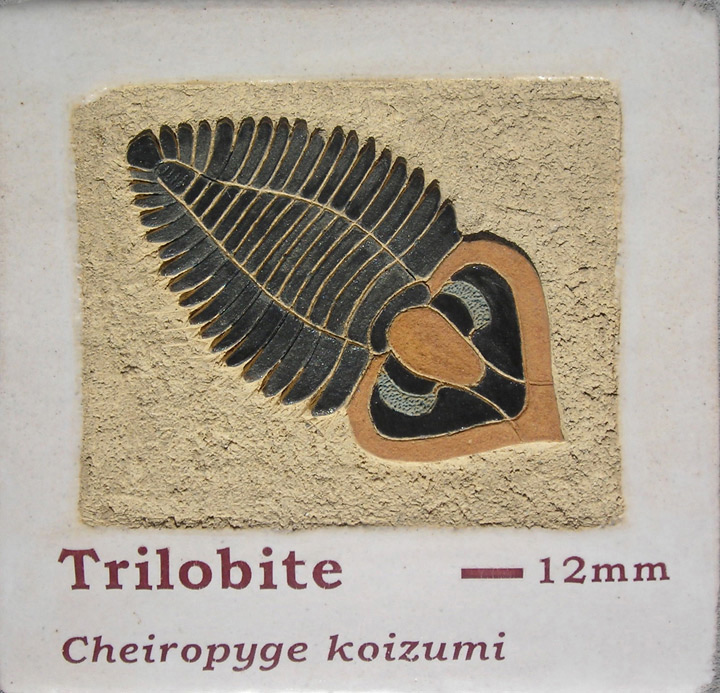
In science, the strength of any theory rests in large part on its ability to make testable predictions and to see those tests confirm the predictions. Darwin's work made several bold predictions that have been spectacularly and repeatedly confirmed since On the Origin of Species was published in November 1859. In Darwin's time the fossil record was poorly known, and only just starting to be investigated in detail. One significant observation of the time was that rocks beneath (older than) the Cambrian layer appeared to be without fossils. In all rocks above (younger than) the Cambrian boundary, many different life forms left numerous fossils, and the fossils in these rocks changed, in some levels gradually, in other levels abruptly, in younger and younger rocks. If Darwin's theory was correct, fossils of simpler life forms than those in Cambrian-age rocks should be in pre-Cambrian rocks. The fact that at the time they were not known was a problem for Darwin's theory, but Darwin predicted such fossils would be found eventually. In fact, it took almost a hundred years, but in the last few decades at several sites around the world paleontologists have found exactly the sort of simple fossils Darwin predicted.
Another prediction of the theory of biological evolution was that ancient fossils transitional in form between more recent types would be found. When Darwin published On the Origin of Species there weren't any known, but his theory predicted their existence. Only a few years later, Archaeopteryx, the fossil of an animal showing characteristics of both a bird and a dinosaur, was found in Germany. The find created a sensation in the world because it was such a spectacular confirmation of evolutionary theory. Since then hundreds of transitional fossils have been found, and they all support the view of life's common origin.
Thirdly, in Darwin's time science had no idea how characteristics of living things were passed from one generation to another. But the theory of evolution predicted that a biological mechanism existed which 1) accounted for mutations, 2) explained how they affected bodily form, and 3) recorded the history of genetic changes through time. Just such a mechanism was discovered in the 1950's in the DNA molecule. Since then everything we have learned about DNA and genetics supports the theory of biological evolution. It is perhaps its most spectacular and strongest confirmation. ghr.nlm.nih.gov/handbook/basics/dna, pbs.org/wnet/dna
In contrast, some would say that the modern theory of gravity is not as well supported as biological evolution. A major prediction of gravitational theory is that gravity waves should be detectable. To date they have not been, despite serious searches for them.
There is no better way to celebrate the wonder of evolution and the family of life on Earth, than to use Darwin's own words…
|